

 EN





Heel Pain When Walking

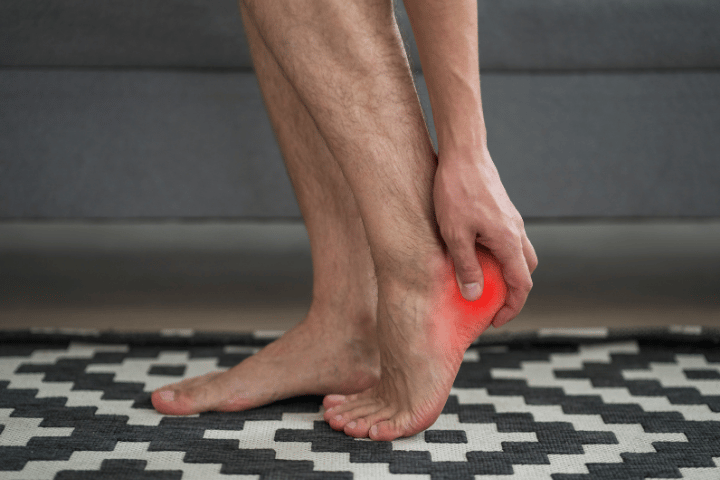
Heel pain when walking is one of those complaints that many people initially ignore. It can begin as slight discomfort in the morning, as a stabbing sensation after getting up, or as a dull pain after a long day on your feet. However, as soon as every step becomes uncomfortable, a simple question arises: What is causing the pain and what can help against it?
Why Does My Heel Hurt When Walking?
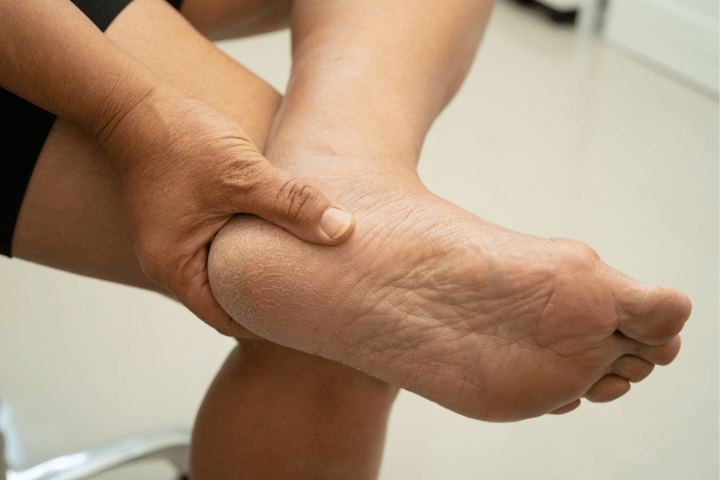
Heel pain can have various causes. Among the most common are plantar fasciitis and heel spur. Plantar fasciitis, also referred to as plantar heel pain or plantar fasciopathy, affects the plantar fascia, a strong band of tissue that runs along the sole of the foot and supports the arch of the foot. A heel spur is a bony projection on the heel bone that often develops in connection with prolonged strain in the area of the plantar fascia. Both can lead to pain in the heel area, particularly when putting weight on the foot and during prolonged loading.
A typical sign is pain underneath the heel or in the area of the arch of the foot, especially during the first steps after sleeping or sitting for a long time. Many people describe the sensation as stabbing, sharp, or pulling. The pain may ease somewhat once the foot has warmed up. However, after prolonged standing, walking, or working on hard floors, it may return.
However, not all heel pain is caused by plantar fasciitis. Pain at the back of the heel may be related to the Achilles tendon. A deep pain underneath the heel that feels similar to a bruise may involve the heel pad. Sudden pain after an injury, swelling, numbness, tingling, or difficulty walking should be examined by a medical professional.
Why Walking Makes Heel Pain Worse
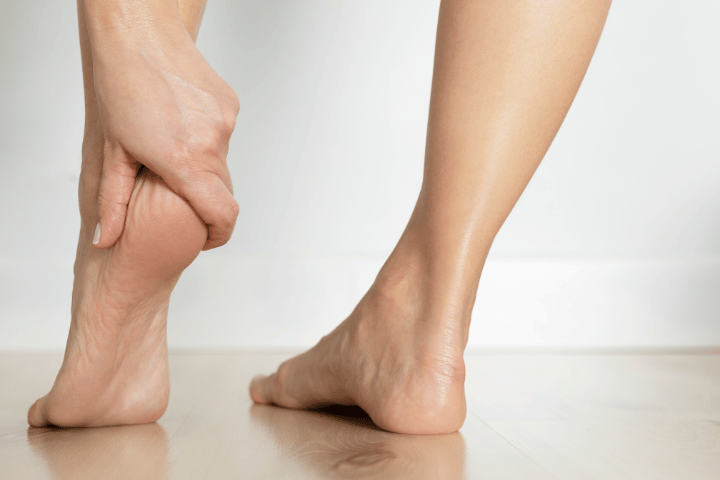
When walking, the heel is placed under load with every step. The plantar fascia, heel pad, calf muscles, Achilles tendon, and small foot muscles work together to absorb impact and support movement. If the foot is irritated, overloaded, or not sufficiently supported, normal walking can become uncomfortable.
Common triggers include:
- prolonged standing
- walking on hard surfaces
- a sudden increase in activity
- shortened or tight calf muscles
- shoes with insufficient cushioning
- shoes that are too tight or provide little support
- long working days spent on your feet
That is why many people notice heel pain after work, after travelling, after long walks in the city, or after changing shoes.
Heel Pain: When Waiting Is No Longer a Good Idea
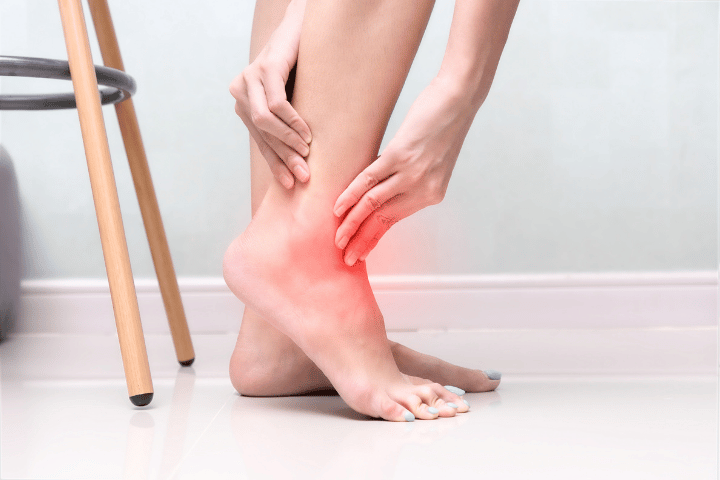
In many cases, heel pain improves through appropriate self-care and a reduction in irritation. Simply waiting, however, is not always the best strategy. If the pain repeatedly returns, becomes stronger, interferes with normal activities, or does not improve after several weeks of self-treatment, it makes sense to seek professional advice.
The goal is not only to calm the painful area, but also to understand what is placing too much strain on the foot. For some people, this means changing their shoes. For others, stretching exercises, adjusting activity levels, insoles, or advice from a physiotherapy or podiatry professional may be helpful.
What Can Improve Heel Comfort in Everyday Life?
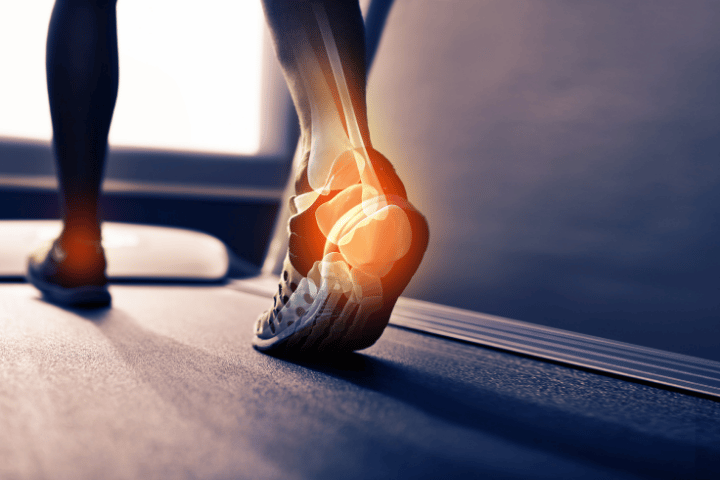
Evidence-based recommendations often begin with simple, conservative measures. These may include rest breaks when needed, cold applications, wearing cushioned shoes, avoiding walking barefoot on hard floors, as well as gentle stretching exercises for the calf and the sole of the foot.
Footwear plays an important role because the heel needs both cushioning and support. Shoes that are too hard, too flat, or heavily worn can make the symptoms worse. A soft sole, a stable fit, and sufficient space for the foot can make a noticeable difference in everyday comfort.
Socks are also part of the comfort system. Socks can neither diagnose nor treat heel pain. However, they are positioned directly between the foot and the shoe. As a result, they can influence friction, pressure, softness, and how the foot feels while moving.
Where INFINIRI Comfort Socks Come In
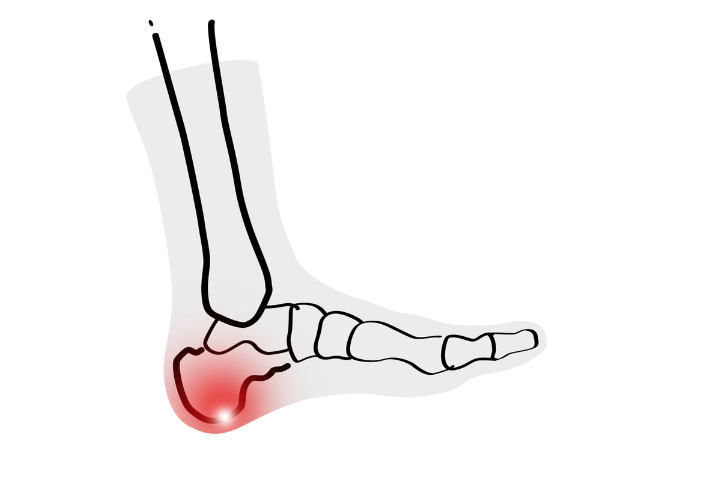
INFINIRI comfort socks were developed for everyday foot comfort in normal shoes. With soft cushioning and gentle compression, they support important areas of the foot, including the heel, forefoot, and midfoot.
For people who experience pain underneath the heel or discomfort after prolonged walking, such a comfort-oriented design can provide a practical additional layer in everyday life. The cushioning reduces pressure load on the heel and provides a soft contact sensation inside the shoe, while the gentle compression around the midfoot offers comfortable stabilization without feeling like a bulky medical aid. The soft heel pads cushion the impact with every step and reduce load stress, which means they can be worn preventively for heel spur or plantar fasciitis.
The goal is simple: more comfort in normal shoes, more support during everyday movement, and greater pressure reduction for the feet that carry you through the day.
When Should Heel Pain Be Examined?
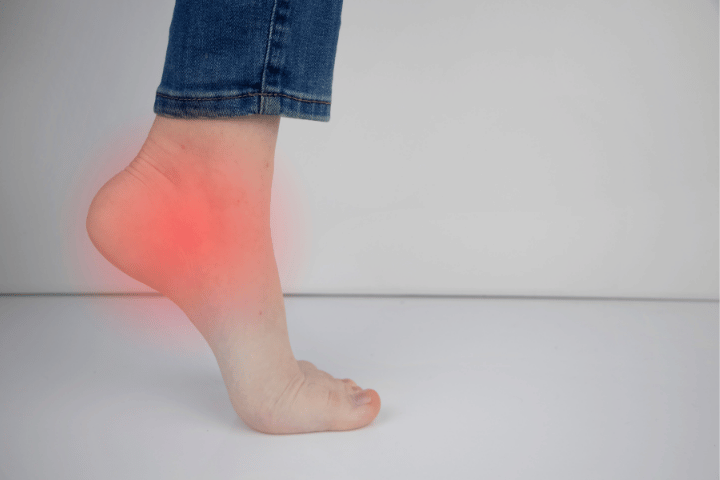
Heel pain should be examined by a doctor, physiotherapy professional, or podiatry professional if it is severe, repeatedly returns, becomes worse, interferes with walking, or is associated with numbness, tingling, swelling, an injury, diabetes, or sudden stabbing pain. Persistent heel pain should not simply be ignored or endured.
A professional can help determine whether the cause is plantar fasciitis, heel spur, symptoms related to the Achilles tendon, irritation of the heel pad, an overuse injury, or another cause.
The Most Important Points Summarized
The answer does not consist of one single product or one simple cause. Heel pain can arise from strain, footwear, tissue irritation, changes in activity levels, or several factors at the same time.
The best starting point is to reduce unnecessary pressure and impact, choose supportive and cushioned shoes, avoid further irritation of the heel, and seek professional advice if the symptoms persist.
INFINIRI comfort socks were developed for people who want support in everyday life without having to change their entire routine. Because when walking becomes uncomfortable, even small comfort details can make everyday life easier.
Discover INFINIRI comfort socks, developed for pressure relief, foot comfort, and support during everyday movement.
